Choosing the Best Insurance Provider for Your Needs: How Can I Choose The Best Insurance Provider For My Needs?
How can I choose the best insurance provider for my needs? – When it comes to selecting an insurance provider, the options can be overwhelming. Each individual has unique requirements based on their lifestyle, assets, and personal risk factors. Understanding these varying needs is essential for making an informed decision. This article provides a comprehensive guide to help you navigate through the intricacies of insurance selection, ensuring you find an ideal match for your specific circumstances.
Understanding Your Insurance Needs
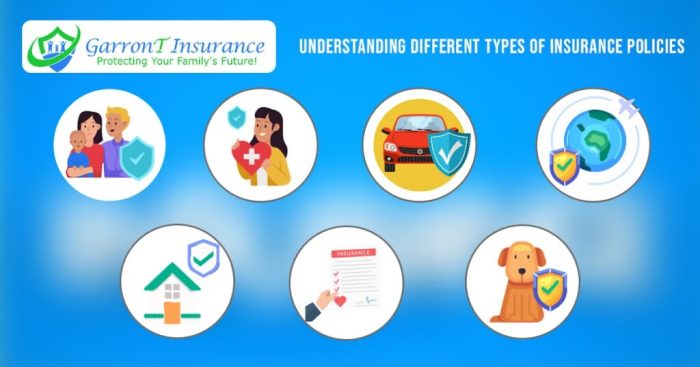
Insurance is not a one-size-fits-all solution; different types serve different purposes. Common types include health, auto, home, life, and disability insurance, each designed to protect against specific risks. The first step in choosing the right provider is identifying what types of insurance are relevant to you. Factors that influence individual insurance needs include age, occupation, health status, financial situation, and lifestyle choices.
For example, a young professional may prioritize renters’ or auto insurance, while families often seek comprehensive home and life insurance. Assessing personal risk factors, such as health issues or high-value assets, is crucial in determining the level and type of coverage required.
Researching Insurance Providers, How can I choose the best insurance provider for my needs?
Thorough research is vital before settling on an insurance provider. Start by compiling a list of potential companies that offer the type of insurance you need. Here are some steps to consider:
- Check online resources for company reviews and ratings.
- Consult with friends and family to gather recommendations.
- Use comparison websites to evaluate various providers side by side.
To ensure you’re choosing wisely, make a point to read customer reviews on platforms like Trustpilot or Yelp. These sources offer insights into the experiences of other policyholders, giving you a better understanding of what to expect.
Evaluating Coverage Options
Not all insurance policies are created equal, and evaluating the coverage options is essential. Different providers will have varying terms, limits, and exclusions associated with their policies. When assessing coverage, keep the following in mind:
- Look for comprehensive coverage that meets your specific needs.
- Compare the types of coverage available, such as liability, collision, or comprehensive in auto insurance.
- Understand policy exclusions and limitations, as these can significantly affect how much you are protected in a claim.
It’s crucial to achieve a clear understanding of what is and isn’t covered, as this can prevent unpleasant surprises down the line.
Analyzing Cost and Value
The cost of insurance premiums can vary significantly by provider due to several factors, including coverage levels, deductibles, and the insured’s risk profile. To analyze costs effectively, consider:
- Request quotes from multiple providers for the same level of coverage.
- Calculate the long-term value of a policy by considering both the premiums paid and the potential payout in the event of a claim.
- Be vigilant for hidden fees or costs that may not be immediately apparent in the policy terms.
Understanding the true cost and value of an insurance policy can help you make a financially sound decision.
Customer Service and Support
Quality customer service can significantly enhance your experience with an insurance provider. Look for companies known for their responsive and helpful support teams. Indicators of quality customer support include:
- Availability of support through multiple channels such as phone, email, and live chat.
- Quick response times to inquiries or claims.
- Transparency in communication, especially regarding policy details and claims processes.
Effective communication with insurance companies can lead to smoother transactions, especially during claims.
Trustworthiness and Reputation
Assessing the reputation of potential insurance providers is crucial for your peace of mind. The trustworthiness of an insurance company can be gauged through various means.Consider these methods:
- Check for licensing and registration with relevant regulatory agencies to ensure legitimacy.
- Research the financial stability of providers, often available through ratings from agencies like A.M. Best or Standard & Poor’s.
- Look into customer complaints filed with regulatory bodies to evaluate overall satisfaction.
A reputable insurance provider is likely to offer reliable service and stand by its commitments.
Seeking Professional Advice
Consulting with an insurance broker or advisor can provide additional insights tailored to your needs. A qualified professional can help navigate the complexities of various policies and might even find better options than you could on your own.To select a qualified insurance professional, consider:
- Checking their credentials and experience in the industry.
- Reading customer testimonials regarding their service.
- Ensuring ongoing communication for policy updates and changes in your needs.
Having an advisor can make a significant difference, especially in understanding policy nuances and changes in the market.
Making the Final Decision
Once you have gathered all necessary information, it’s time to finalize your choice. Create a checklist to guide your decision-making process.Key steps include:
- Reviewing your options based on research and personal needs.
- Reading the terms of the contract thoroughly before signing.
- Understanding the onboarding process and what to expect when initiating your policy.
Taking these steps can ensure that you choose a provider that not only meets your needs but also provides a smooth experience from the outset.