Types of Insurance Coverage
What are the main types of insurance coverage? – Insurance is a vital component of personal and business financial planning. It provides a safety net against unforeseen events that can lead to significant financial loss. In today’s market, various types of insurance coverage are available to meet diverse needs, each with its own unique features and benefits.
Different Categories of Insurance
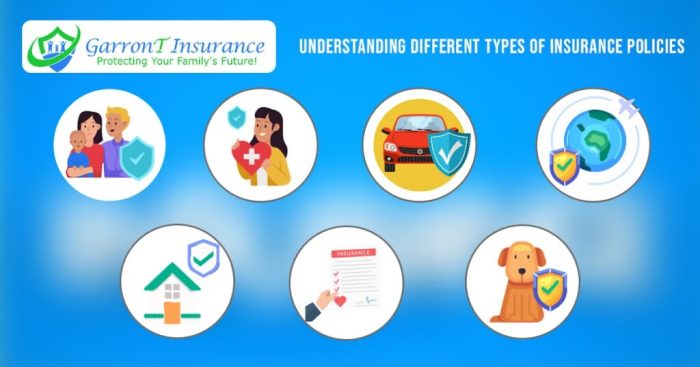
Insurance coverage can be broadly categorized into several types, each serving a specific purpose. Below is an overview of the main types of insurance coverage commonly available in the market:
| Type of Insurance | Key Features | Benefits |
|---|---|---|
| Health Insurance | Covers medical expenses, preventive care, and hospitalization. | Provides financial protection against high medical costs. |
| Auto Insurance | Covers damages to vehicles and liability for injuries. | Protects against financial loss from accidents or theft. |
| Homeowners Insurance | Covers damages to home and personal property. | Offers peace of mind against property loss or damage. |
| Life Insurance | Provides financial support to beneficiaries upon death. | Helps secure financial future for loved ones. |
| Business Insurance | Covers various risks associated with running a business. | Protects business assets and reduces financial risk. |
| Travel Insurance | Covers trip cancellations, medical emergencies, and lost luggage. | Ensures peace of mind while traveling. |
Health Insurance
Health insurance is essential for managing healthcare costs. It can take various forms, including individual plans, family coverage, and employer-sponsored options. Each type of plan offers different coverage levels and benefits, making it crucial for consumers to understand their choices.
Forms of Health Insurance Coverage
Individual and family health insurance plans are tailored to personal needs, while employer-sponsored plans often provide group benefits at a lower cost. Both public and private health insurance options exist, each with its pros and cons.
- Public Health Insurance: Generally funded by the government, providing essential health services often at a lower cost.
- Private Health Insurance: Provided by private companies, offering more flexibility and a wider range of services but often at a higher cost.
Common Health Insurance Terms, What are the main types of insurance coverage?
Understanding health insurance terminology is crucial. Here are some terms often encountered in health insurance policies:
- Premium: The monthly fee paid for coverage.
- Deductible: The amount you pay out-of-pocket before insurance kicks in.
- Copayment: A fixed fee for specific services or medications.
- Out-of-Pocket Maximum: The total amount you pay in a year before insurance covers 100% of costs.
Auto Insurance: What Are The Main Types Of Insurance Coverage?
Auto insurance protects vehicle owners from financial loss due to accidents, theft, or damage. Understanding the components of auto insurance policies is essential for making informed coverage choices.
Components of Auto Insurance Policies
Auto insurance policies typically include several key components:
- Liability Coverage: Covers damages to others in an accident you cause.
- Collision Coverage: Pays for damages to your vehicle in an accident.
- Comprehensive Coverage: Covers non-collision related incidents, such as theft or natural disasters.
Determining Auto Insurance Premiums
Auto insurance premiums are influenced by several factors, including:
- Driving history and record.
- Type of vehicle and its safety features.
- Location and frequency of use.
- Coverage amounts and deductibles chosen.
Comparison of Auto Insurance Providers
When considering auto insurance, it’s important to compare options from various providers. Below is a comparison of key players in the market:
| Insurance Provider | Coverage Options | Average Premium |
|---|---|---|
| Provider A | Liability, Collision, Comprehensive | $1,200/year |
| Provider B | Liability, Collision | $1,000/year |
| Provider C | Comprehensive, Liability | $1,300/year |
Homeowners Insurance
Homeowners insurance is designed to protect homeowners from loss or damage to their property. This insurance typically covers several areas, providing crucial financial protection.
Types of Coverage in Homeowners Insurance
Homeowners insurance generally includes:
- Dwelling Coverage: Protects the structure of your home.
- Personal Property Coverage: Covers personal belongings within the home.
- Liability Coverage: Protects against lawsuits for injuries on your property.
Factors Affecting Homeowners Insurance Rates
Several factors can influence homeowners insurance rates, including:
- Location and risk of natural disasters.
- Home’s age and condition.
- Coverage limits and deductibles chosen.
“When choosing a homeowners insurance policy, consider the coverage limits, exclusions, and the financial stability of the insurance provider.”
Life Insurance
Life insurance is a critical aspect of financial planning, providing security for loved ones after one’s passing. It comes in different forms, primarily term life and whole life policies.
Main Types of Life Insurance
The two main types of life insurance are:
| Type | Key Features | Benefits |
|---|---|---|
| Term Life | Covers a specific period, paying out only if the insured passes during that term. | More affordable, ideal for temporary needs. |
| Whole Life | Covers the insured for their entire life, includes a cash value component. | Provides lifelong coverage and potential cash value accumulation. |
Business Insurance
Business insurance protects a company from various risks and potential losses. It’s essential for managing risks associated with operating a business.
Types of Coverage for Businesses
Businesses may require different types of coverage, including:
- General Liability Insurance: Covers basic risks associated with business operations.
- Professional Liability Insurance: Protects against claims of negligence or malpractice.
- Property Insurance: Covers damages to business property.
Importance of Business Insurance
Business insurance is crucial for risk management as it helps protect assets, ensures business continuity, and can enhance credibility with clients and partners.
- Protects against unexpected events.
- Ensures financial stability in case of lawsuits or claims.
- Aids in compliance with legal requirements.
Travel Insurance
Travel insurance is an essential consideration for anyone planning a trip. It covers various aspects of travel, providing peace of mind against unforeseen events.
Coverage Provided by Travel Insurance
Travel insurance typically covers:
- Trip cancellations or interruptions.
- Medical emergencies during travel.
- Lost or stolen luggage and personal belongings.
Typical Exclusions in Travel Insurance Policies
While travel insurance offers significant coverage, it also contains common exclusions, including:
- Pre-existing medical conditions.
- Incidents occurring during high-risk activities (like skydiving).
- Traveling to destinations under government travel advisories.
Types of Travel Insurance
Different types of travel insurance plans cater to various needs:
| Type of Travel Insurance | Coverage Offered |
|---|---|
| Trip Cancellation Insurance | Covers losses from trip cancellations. |
| Medical Travel Insurance | Covers medical emergencies while traveling. |
| Comprehensive Travel Insurance | Offers all-inclusive coverage for various risks. |